Free valuation
Thinking of selling your home?
Find out what your home is worth today, then take your time deciding what comes next.
How it goes
How a sale runs
There are usually 5 stages of the process. Each is critical and I manage them every step of the way.
Prepare
What happens before anything is public. I ask what you want out of this sale first: the strongest offer, the fastest close, the least disruption. Then we walk the house together and work out what to do, what to leave alone, and the order to do it in.
Price
Comparable sales nearby, read closely, so the asking price has a reason behind it.
Market
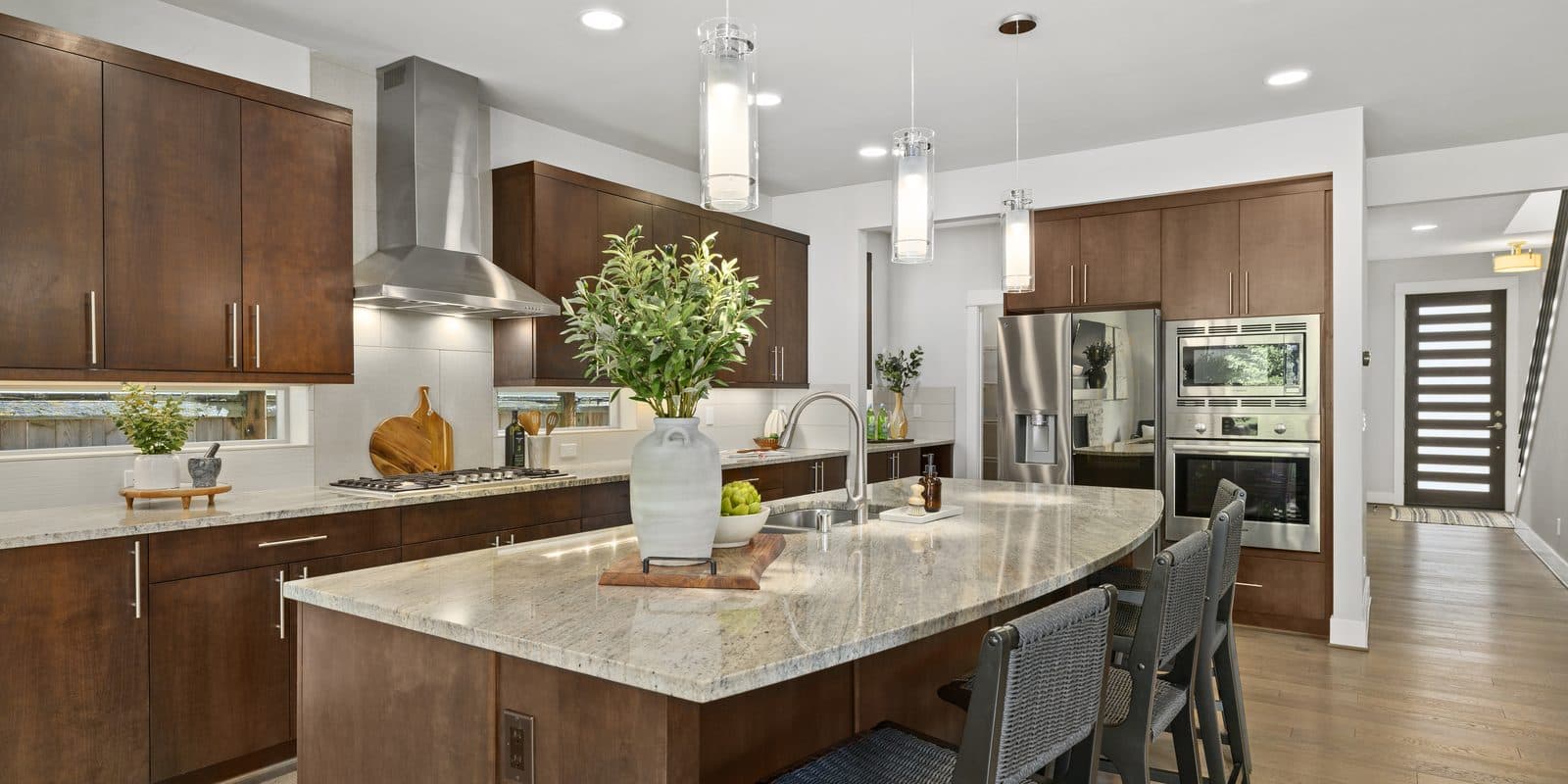
Staging, photography and the listing itself, then the showings and the open houses.
Offers
Every offer read line by line: price, financing, contingencies, dates, and what each one would actually mean for you, before you answer it.
Close
Inspection, appraisal, title, and the paperwork between an accepted offer and the keys. I handle that part myself too.
What to expect
Preparing your home to sell
You don’t have to guess what’s worth doing. I walk the house with you, point out what buyers notice and what they don’t, and put the jobs in an order that makes sense, so nothing gets done twice.
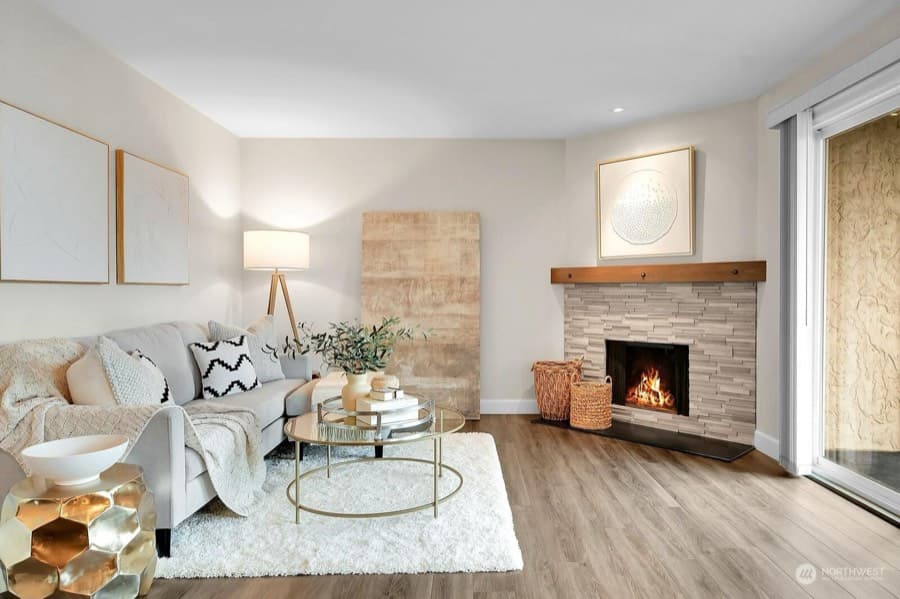
Staged
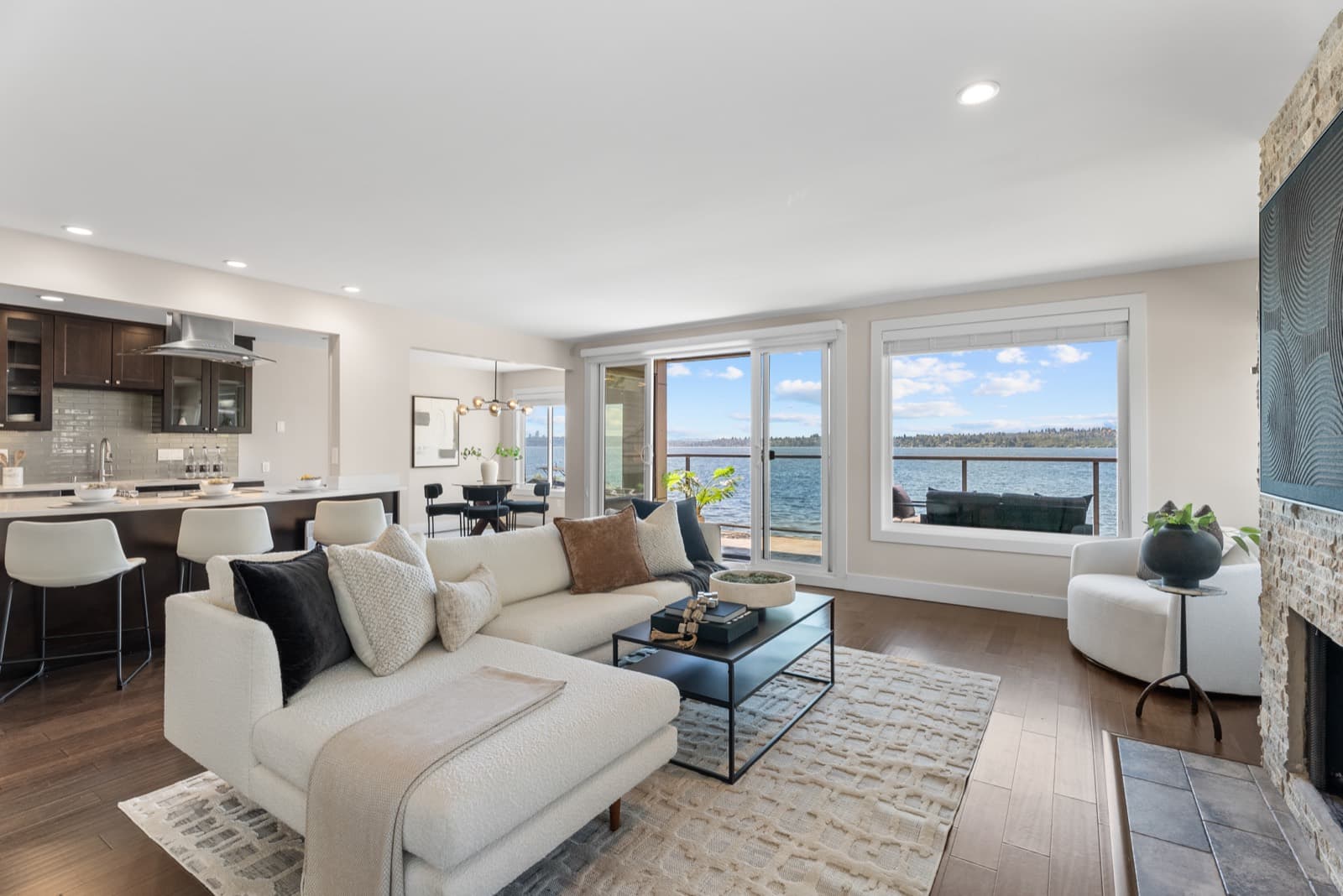
Photographed
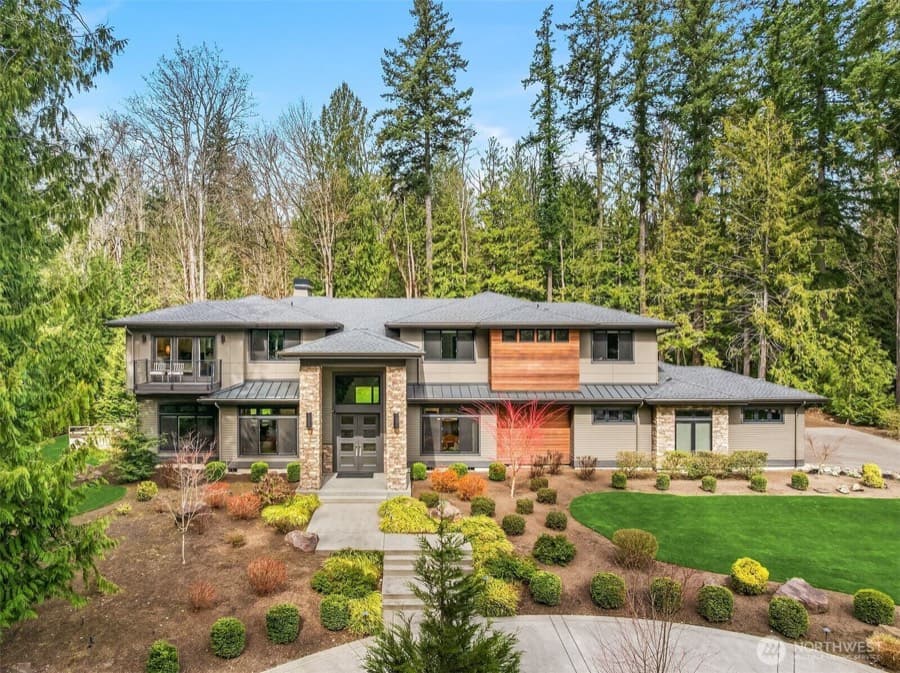
On the market
Common questions
What sellers ask first
What should I fix before listing, and what can I leave?
It depends, and it depends on you. If the goal is the strongest offer in the shortest time, the work is about removing what a buyer will catch: cosmetic updates, the small repairs, and the systems that raise a question, like the furnace, the air conditioning, the roof. If you would rather sell as-is, that is a real option; I will tell you plainly what it trades away, and then I will list it.
How long does preparing a home usually take?
I would rather have a month. That allows time to declutter, to get the painting done, and, if there has been an inspection, to handle what it turned up. Nearly every listing I manage needs some paint. Two weeks is possible, but a new roof or a new system can push it to two months. The real answer is that it depends on what you decide to do, and I will give you a straight number once I have walked the house.
Do I need to stage?
Staging is not required, and it is not always practical while you are still living in the house; a partial staging is often the answer there. What it does is let a buyer picture themselves in the rooms instead of looking at yours. My own experience is that it earns its cost more often than not.
What happens between accepting an offer and closing?
More than it looks like from the outside. If the buyers ordered an inspection, that happens at the house. Both sides sign paperwork with title and escrow. Then it goes quiet while the buyers work through their financing and their contingency dates; that quiet is normal, and I am watching it. Inspection items may come back as a repair request or a credit, which is a negotiation. Then both sides sign, the county records it, and the proceeds are yours. If you are still living there, that is also the stretch where you pack.
Can I sell while I’m still living in the house?
Yes. What I will ask for is access. The first two weeks on the market are the ones that matter, and the goal is as many people through the door as possible: open houses both days, and agents able to get in without a phone call and a negotiation. So I may suggest you take the weekend somewhere else. A house full of people and pets is hard to show at short notice.
“The staging of my condo was beautiful and showed my condo in its best light.”
Still thinking about it?
A conversation now costs nothing and starts nothing. Whether the move is this season or years away, I would rather help you work out what the next step is than hurry you toward one.
Speak with Kim